Give their imagination a space to grow—with guidance.
A start-to-finish path with outlines, continuity checks, and AI coaching so young writers write the book they imagine.

Why it works
Everything stays aligned and finishable
Clarity for the writer, visibility for adults, and feedback that feels friendly—not fussy.
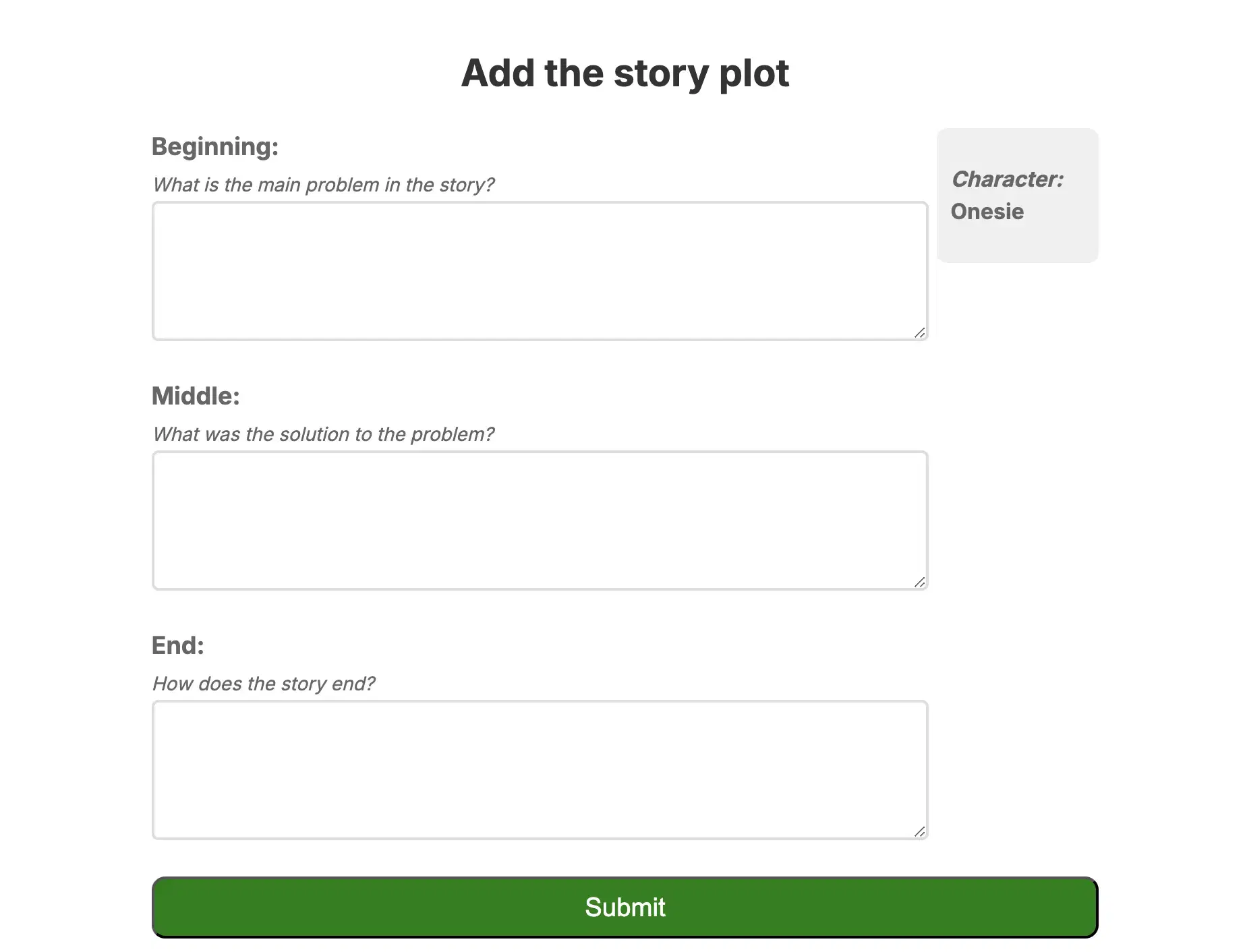
Guided outlines
Chapter goals and scene prompts keep young writers focused.
- Flexible templates
- Character & setting reminders
- Beat-by-beat structure
Chapter-level coaching
Actionable feedback on voice, pacing, and clarity—never generic.
- Goal-based suggestions
- Encouraging tone
- Specific, highlight-level tips
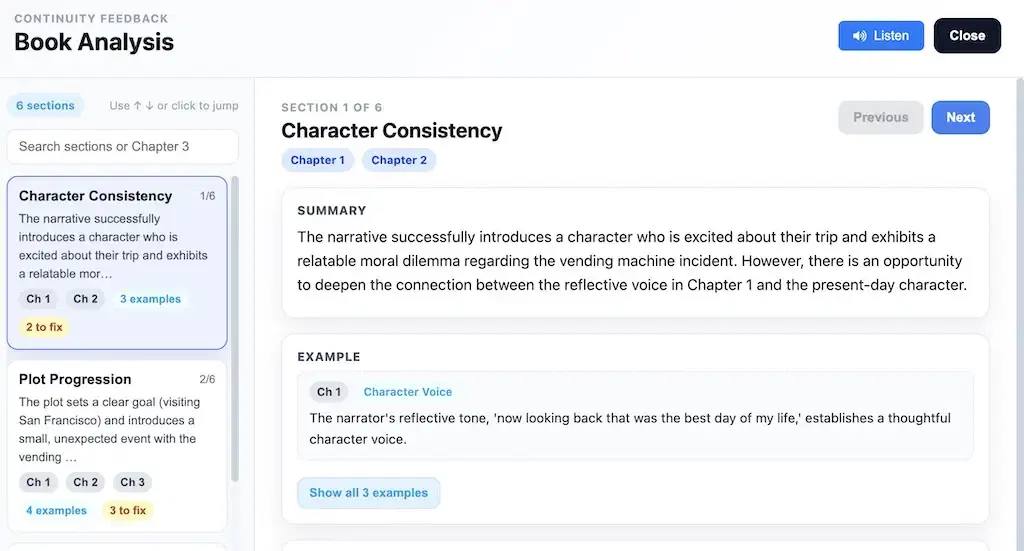
Book-wide continuity scan
Catch timeline or character inconsistencies across chapters.
- Runs when chapters are complete
- Clear analysis summary
- Checks names, timelines & plot threads

Library & autosave
Write multiple books with automatic saving and smart guidance.
- Create books instantly
- Never lose progress
- Seamless writing experience
Why chapter books
Big gains from longer writing
Short stories teach basics. Chapter books unlock deeper thinking, resilience, and voice.
Stronger thinking muscles
Planning plots, tracking threads, and keeping timelines straight build executive function.
Why it matters
Longer stories force real planning: mapping arcs, sequencing scenes, and managing continuity. Those habits strengthen working memory, flexible thinking, and self-control—skills that transfer to any complex project.
Resilience that sticks
Kids learn to push past writer’s block and finish what they start.
Why it matters
A chapter book is a marathon, not a sprint. Moving through slow patches and plot fixes builds grit, follow-through, and confidence for other long-term assignments.
Deeper learning that lasts
They turn research into lived-in worlds instead of reciting facts.
Why it matters
To make a setting believable, students have to absorb context and apply it—moving from recall to creation. That synthesis cements knowledge far better than short quizzes.
A real author voice
More pages mean more room to experiment with tone, dialogue, and pacing.
Why it matters
Over multiple chapters, writers try styles, learn to show vs. tell, and start sounding like themselves—not a template. That authenticity boosts every subject where they have to persuade or explain.
Mastery of the full writing cycle
They plan, draft, get feedback, and revise without fear of the red pen.
Why it matters
Complex drafts demand true iteration: outlining, drafting, revising structure, then polishing. Feedback becomes a growth tool, not a verdict—making them more coachable and less anxious.
Confidence they can hold
Finishing a book proves “I can do hard things” in a way tests never do.
Why it matters
Holding a finished story they built from scratch creates real ownership and pride. That momentum fuels motivation across classes and bigger goals.
Step-by-step
A clean path from idea to finished book
Shape the adventure
Start a book, map chapters, and clarify the big promise of the story.
Draft with nudges
Scene starters, sensory prompts, and word-count cues keep momentum high.
Coach at every checkpoint
Submit a chapter for AI feedback on plot, characters, and clarity—no waiting.
Check continuity
Run the continuity scan to keep names, timelines, and threads aligned.
Publish proudly
Export, share, or keep building the series. Celebrate with badges and highlights.
Ready to see a full book get finished?
Pair their imagination with a guided path and an AI coach that never gets tired.
Works on laptops and tablets. Kid-safe by design.